


What Are the Common Rat Problems Faced by Residents and Businesses in Sydney?
Sydney properties face persistent challenges with rat infestations that cause both structural damage and health concerns. Rats gnaw through electrical wiring, creating fire hazards, while also destroying insulation, pipes, and wooden structures. These rodents contaminate food supplies and surfaces with droppings and urine, spreading diseases like leptospirosis, hantavirus, and salmonella.
Common issues include:
- Scratching noises in walls and ceilings during nighttime hours
- Visible droppings near food storage areas and along baseboards
- Chewed packaging in pantries and storage rooms
- Grease marks along walls where rats regularly travel
- Unpleasant odours from urine and nesting materials
The rapid breeding cycle of rats means a small problem escalates quickly into a full-blown infestation. A single pair can produce up to 2,000 descendants in one year under ideal conditions. Professional rat exterminator sydney services provide the expertise and systematic approach necessary to eliminate existing populations and implement preventative measures that deliver long-term results beyond what DIY methods can achieve.
What Is the Step-by-Step Process Followed by Rat Exterminators in Sydney?
A professional rat exterminator process Sydney involves six distinct phases designed to eliminate current infestations and prevent future problems. Each step builds upon the previous one, creating a comprehensive treatment plan tailored to your specific property needs.
1. How Do They Conduct a Thorough Inspection to Identify Rat Infestations?
The rat inspection Sydney begins with a systematic examination of your entire property, both interior and exterior spaces. Trained technicians methodically check attics, basements, wall cavities, roof spaces, and crawl areas where rats typically establish their nests.
Exterminators search for specific evidence during the rat inspection Sydney:
- Droppings: Fresh, dark pellets approximately 10-20mm long indicate active infestations
- Gnaw marks: Fresh teeth marks on wood, plastic, or electrical wiring appear lighter in color
- Grease marks: Dark smudges along walls and baseboards where rats regularly travel
- Nesting materials: Shredded paper, fabric, or insulation gathered in hidden corners
- Entry points: Gaps around pipes, vents, damaged roof tiles, or holes in foundations
- Footprints and tail marks: Visible tracks in dusty areas reveal rat pathways
- Unusual pet behavior: Dogs or cats acting agitated near specific areas
The inspection process typically takes 30-60 minutes depending on property size. Technicians use specialized tools like thermal imaging cameras and moisture meters to detect hidden activity behind walls or under floors. They document all findings with photographs and detailed notes, creating a comprehensive map of the infestation.
Identifying rat signs allows exterminators to determine infestation severity, estimate population size, and pinpoint the most effective treatment locations. This diagnostic phase forms the foundation for all subsequent control measures, ensuring resources target the areas with highest rat activity rather than applying blanket treatments.
2. Why Is It Important for Them to Identify the Rat Species?
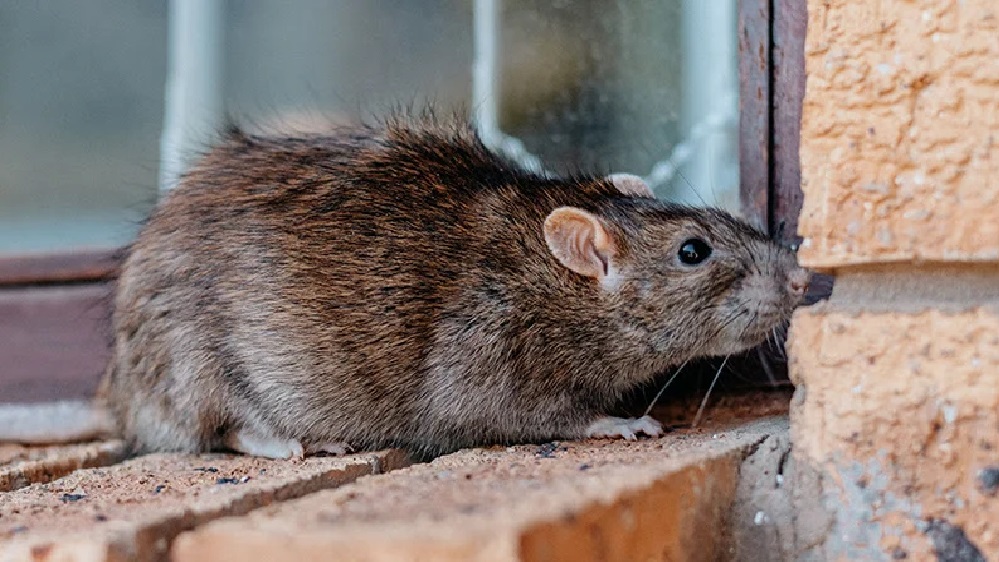
Knowing the rat species is crucial because it helps determine the most effective control strategies. In Sydney, there are two main rat species that infest properties: the Norway rat (Rattus norvegicus) and the Black rat (Rattus rattus). Each species has its own behaviors and habitat preferences, which require specific approaches.
Understanding Norway Rats
Norway rats, also known as brown rats, prefer to stay close to the ground. They make burrows in places like foundations, basements, and gardens. These rodents are stocky with blunt noses, usually weighing between 200-500 grams. They create extensive tunnel systems beneath structures.
Understanding Black Rats
On the other hand, Black rats are agile climbers. They build their nests in elevated areas such as roof cavities, wall voids, and tree branches. Unlike Norway rats, Black rats have a slender build and pointed snouts.
How Species Identification Affects Extermination Methods
The methods used by rat exterminators in Sydney vary significantly depending on the species being targeted.
For Black Rat Infestations
When dealing with Black rat infestations, professionals need to take specific actions:
- Position bait stations at height
- Secure traps to rafters and ceiling spaces
- Inspect overhead entry points like roof tiles and ventilation gaps
For Norway Rat Infestations
In contrast, when it comes to Norway rat identification, exterminators focus on:
- Ground-level burrow systems and foundation cracks
- Basement and crawlspace treatments
- Perimeter sealing at soil level
The Consequences of Misidentifying Rat Species
Misidentifying the rat species can lead to wasted time and resources. That’s why it’s essential to have a trained team that knows how to identify specific signs left by each species. A professional rat inspection Sydney team will be skilled in recognizing these signs:
- Nesting zones
- Feeding patterns
- Travel routes used by rats
By targeting these areas directly with appropriate treatments, exterminators can significantly speed up the elimination process from weeks down to just days.
For more detailed information on identifying different rat species, you can refer to this resource which provides comprehensive insights into distinguishing between various types of rats based on their unique characteristics.
3. What Techniques Do They Use to Seal Entry Points and Prevent Future Infestations?
Sealing rat entry points is crucial for effective proofing against rodents. Professional exterminators use high-quality materials specifically chosen for their strength and ability to resist rats. The rat exterminator process Sydney teams follow involves three main materials: expanding foam for filling larger spaces, wire wool (steel mesh) that rats cannot chew through, and commercial-grade sealants for permanent closure.
The physical barrier method targets every potential access point found during the rat inspection Sydney phase. Rats can squeeze through openings as small as 1.5 centimeters, so careful sealing is crucial. Exterminators focus on:
- Foundation cracks and weep holes – sealed with wire mesh and cement
- Gaps around pipes and utility lines – filled with expanding foam then covered with wire wool
- Roof eaves and ventilation openings – fitted with fine metal mesh screens
- Door and window frames – treated with weather stripping and gap sealants
- Wall cavities and ceiling access points – permanently sealed after identifying rat signs of activity
Blocking all possible access routes prevents the cycle of re-infestation that often occurs with DIY attempts. If even one gap remains unsealed, other control measures will be ineffective because new rats will simply take the place of those eliminated. Professional proofing against rodents creates a strong barrier that works continuously, long after bait stations and traps have done their job.
4. How Do They Safely Deploy Control Measures During the Extermination Process?
Professional rat exterminators in Sydney deploy multiple control measures simultaneously to maximize effectiveness. The rat exterminator process Sydney involves strategic placement of various devices based on the rat inspection Sydney findings and identifying rat signs from the initial assessment.
The primary control methods include:
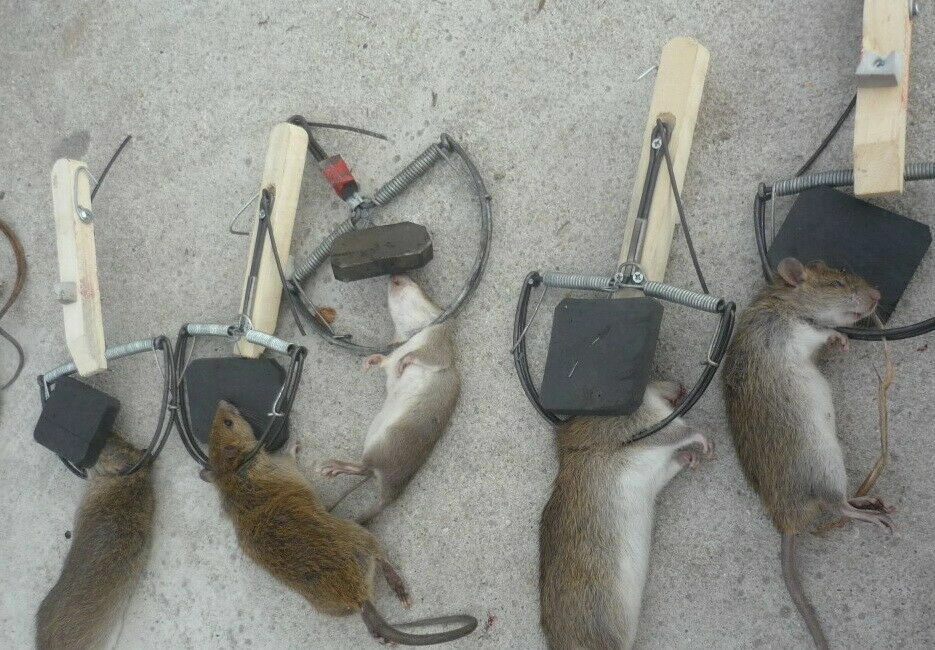
- Snap traps: Traditional mechanical devices placed along rat runways and near nesting areas
- Sticky boards: Adhesive traps positioned in tight spaces where rats frequently travel
- Bait stations Sydney: Tamper-proof containers housing rodenticides, secured to prevent movement or access by children and pets
Rodent traps safety remains the top priority during deployment. Exterminators use only approved, family-safe products and position all devices in strategic locations inaccessible to household members and animals. Bait stations feature locked compartments that only rats can enter, while mechanical traps are placed behind appliances, in roof voids, and within wall cavities.
High-risk areas receive concentrated attention—kitchens, pantries, storage rooms, and garbage areas typically require multiple control points. Exterminators document each placement location and provide property owners with a detailed map showing device positions. This ensures everyone in the household knows where control measures exist and can avoid accidental contact while the treatment progresses through its 2-3 week duration.
In line with best practices for safe rodent control, these professional exterminators prioritize using family-safe products. They also follow safety protocols during the deployment of rodent traps to ensure minimal risk to household members and pets. For more information on these safe practices, refer to this resource.
5. Why Is Monitoring and Follow-Up Essential After the Initial Treatment?
Rats are naturally cautious creatures and tend to avoid new things in their environment, including traps and bait stations. This behavior, known as neophobia, means that professional rat exterminators in Sydney need to be patient and allow 2 to 3 weeks for the rats to become comfortable enough to interact with the control measures.
The Role of Rodent Monitoring
During this waiting period, rodent monitoring services in Sydney play a crucial role by scheduling multiple visits to evaluate the effectiveness of the treatment. Exterminators will check which traps have been set off, how much bait has been consumed, and if there are any new patterns of activity. These inspections are important as they provide insights into whether the rat population is decreasing or if changes need to be made in trap placement.
The Importance of Follow-Up Visits
Follow-up visits are essential for several practical reasons:
- Trap maintenance: Resetting any traps that have been triggered and replacing any bait that has been eaten
- Carcass removal: Finding and disposing of any dead rats to prevent unpleasant odors and potential issues with other pests
- Activity assessment: Looking for fresh droppings, gnaw marks, or tracks that indicate an ongoing infestation
- Strategy refinement: Adjusting control measures based on observed rat behavior patterns
Professional teams conducting rat inspections in Sydney keep detailed records of each visit’s findings. This documentation creates a timeline showing how the infestation is declining over time. It also ensures that no rats escape the treatment program by learning to avoid traps. In cases where dead rats are located in hard-to-reach areas such as wall cavities, specialists may need to implement additional ventilation strategies instead of physically removing them during follow-up pest control appointments.
6. What Expert Prevention Advice Do Exterminators Provide to Property Owners?
Professional rat exterminators share targeted rodent-proofing tips based on years of field experience across Sydney properties. These recommendations focus on eliminating the three factors that attract rats: food, water, and shelter.
Food security measures
These form the foundation of preventing rat infestations Sydney-wide:
- Store all dry goods in sealed glass or metal containers rather than cardboard boxes
- Clean food spills and crumbs immediately, especially in kitchens and dining areas
- Secure pet food bowls overnight and avoid leaving food accessible
- Keep compost bins tightly sealed and positioned away from building foundations
Water source elimination
This proves equally critical:
- Repair leaking taps, pipes, and plumbing fixtures promptly
- Fix drainage issues that create standing water around properties
- Ensure gutters drain properly without pooling water near walls
Environmental modifications
These complete the rat exterminator process Sydney specialists recommend:
- Trim tree branches and vegetation at least 1 meter away from rooflines
- Remove clutter from storage areas, garages, and sheds where rats nest
- Seal garbage bins with tight-fitting lids and clean them regularly
- Stack firewood at least 30cm off the ground and away from structures
These identifying rat signs early becomes easier when properties maintain these preventative standards. Exterminators emphasize that consistent implementation of these practices significantly reduces the likelihood of re-infestation after professional treatment concludes.
Why Is Prompt Rat Extermination Crucial in Sydney?
Delaying rat extermination allows a minor problem to spiral into a full-blown infestation within weeks. A single female rat can produce up to 60 offspring annually, with young rats reaching sexual maturity in just 8-12 weeks—making rapid rat breeding Sydney properties face a genuine threat to occupants.
The health implications escalate alongside population growth. Rats carry serious diseases including:
- Leptospirosis transmitted through urine-contaminated water
- Hantavirus spread via droppings and saliva
- Salmonella from food contamination
- Rat-bite fever from direct contact
Rodent damage prevention Sydney services emphasize becomes critical as rats gnaw continuously to control tooth growth. This behavior destroys electrical wiring (creating fire hazards), compromises plumbing systems, damages insulation, and ruins stored goods. A two-week delay can mean the difference between treating three rats versus thirty, with exponentially higher costs and structural damage to repair.
What Are the Benefits of Hiring a Professional Rat Exterminator in Sydney?
Professional rat extermination benefits Sydney residents through comprehensive, lasting solutions that DIY methods simply can’t match. Licensed exterminators bring specialized knowledge of local rat species, behavior patterns, and proven control techniques specific to Sydney’s urban environment.
Key advantages include:
- Targeted treatment plans designed for your property’s unique layout and infestation severity
- Safe product application using family- and pet-friendly materials in tamper-proof containers
- Complete property protection through expert sealing of entry points with professional-grade materials
- Time and cost efficiency by eliminating trial-and-error approaches that waste money
- Warranty coverage (typically 60 days) ensuring peace of mind against recurring issues
- Health risk reduction through proper handling and disposal of contaminated materials
Understanding What Does a Rat Exterminator Sydney Service Actually Do? A Step-by-Step Breakdown reveals why professional intervention delivers superior results. These specialists combine inspection expertise, exclusion techniques, strategic control deployment, and ongoing monitoring—creating multi-layered defense systems that address current infestations while preventing future problems. Their discreet service protects your privacy while safeguarding your property investment.
See Also: Rat control sydney: 7 early warning signs you have a hidden rodent problem