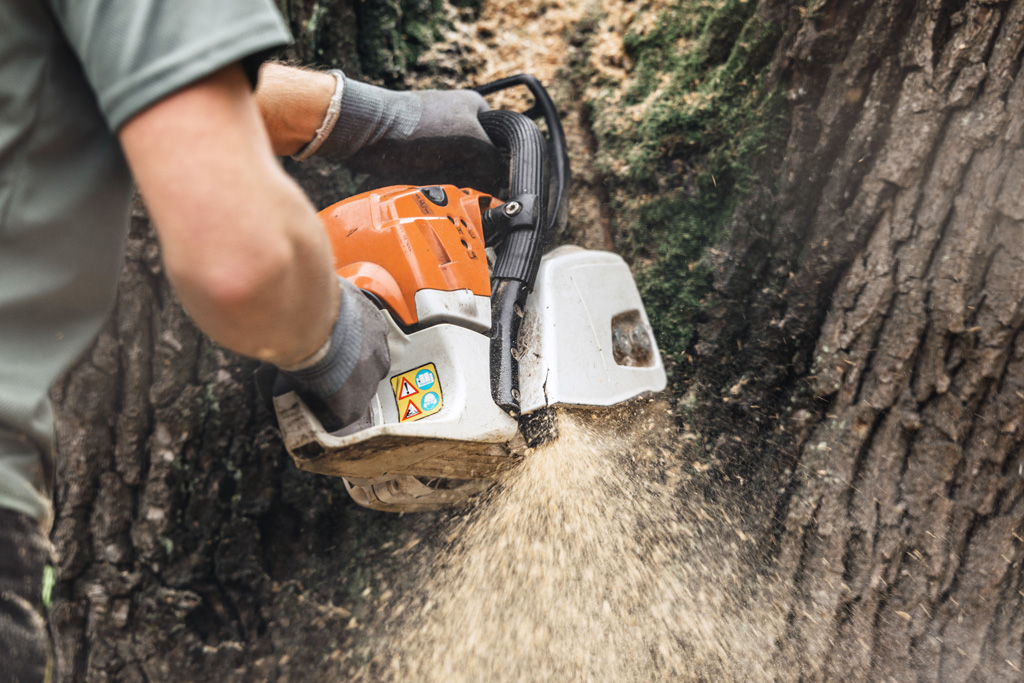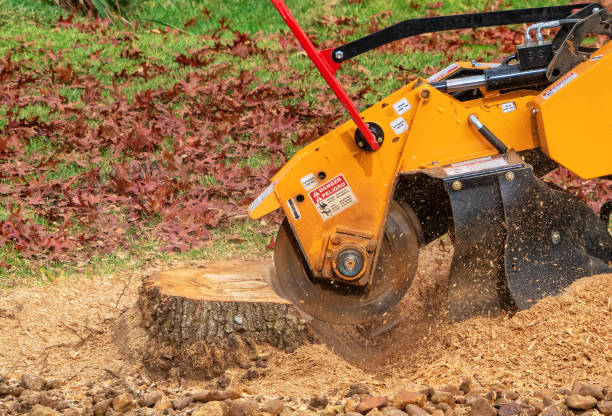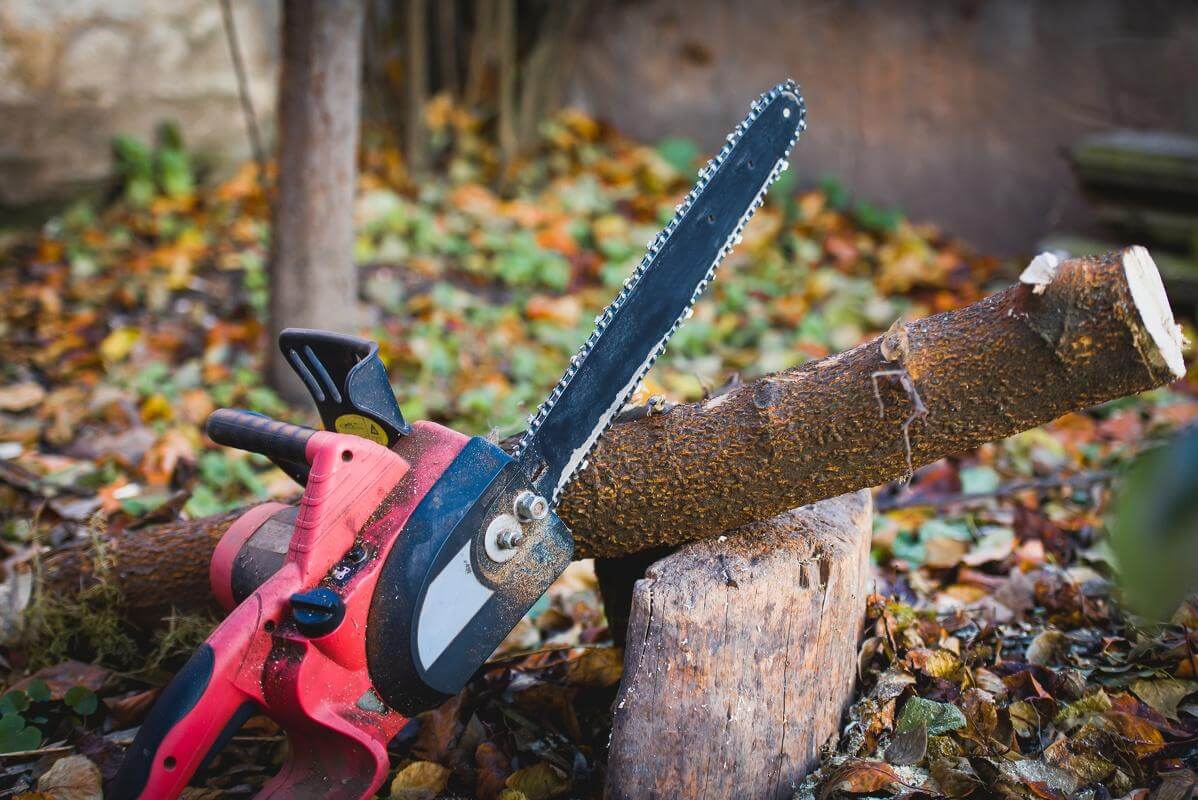
Tree removal is often perceived as a drastic measure, one that homeowners might consider only when faced with dire circumstances. However, the decision to remove a tree can be influenced by various factors, including safety concerns, aesthetic preferences, and environmental considerations. This article delves into the complexities surrounding tree removal, exploring when it is necessary, the alternatives available, and the growing trend towards sustainable practices in tree care.
The Importance of Trees in Our Environment
Trees play a vital role in our ecosystems, providing numerous benefits such as improving air quality, supporting wildlife, and enhancing the aesthetic appeal of residential areas. They contribute to urban biodiversity and help mitigate climate change by absorbing carbon dioxide. Understanding the value of trees can help homeowners make informed decisions about their care and maintenance, including when to seek professional tree cutting services to ensure safety and long-term health.
Moreover, the Environmental Protection Agency projects that urban tree cover in major cities is expected to increase by 20% by 2033. This anticipated growth underscores the importance of maintaining healthy trees, as they are crucial to urban environments and contribute to the overall well-being of communities.
Benefits of Trees
- Air Quality Improvement: Trees filter pollutants and produce oxygen, significantly enhancing air quality.
- Wildlife Habitat: Trees provide shelter and food for various species, promoting biodiversity.
- Climate Regulation: They help moderate temperatures and reduce the urban heat island effect.
- Aesthetic Value: Trees enhance the beauty of landscapes, increasing property values and creating pleasant living environments.
When is Tree Removal Necessary?
While trees offer numerous benefits, there are situations where removal becomes necessary. Homeowners may face challenges that require them to consider this option seriously. Understanding these scenarios can help in making informed decisions.
Safety Concerns
One of the primary reasons for tree removal is safety. Trees that are diseased, damaged, or structurally compromised can pose significant risks to people and property. For instance, a tree weakened by rot or pests may be at risk of falling during storms, potentially causing injury or property damage.
According to industry statistics, approximately 200 tree-related fatalities occur annually due to transportation incidents and equipment-related accidents. This highlights the importance of addressing hazardous trees promptly to ensure the safety of your home and family.
Property Damage
Tree roots can cause significant damage to foundations, driveways, and underground utilities. Homeowners may find that the roots of a large tree are encroaching on their property, leading to costly repairs. In such cases, removal may be the most practical solution to prevent further damage.
Additionally, trees that obstruct views or sunlight can detract from the enjoyment of a property. Homeowners may choose to remove trees to enhance their outdoor living spaces or improve the overall aesthetic of their gardens.
Alternatives to Tree Removal
Before deciding to remove a tree, homeowners should explore alternative options that may address their concerns without resorting to removal. These alternatives can often provide a more sustainable solution while preserving the benefits that trees offer.
Tree Pruning
Pruning is an effective way to manage tree health and aesthetics. By removing dead or overgrown branches, homeowners can improve the tree’s structure and reduce the risk of falling limbs. Regular pruning can also enhance light penetration and air circulation, promoting healthier growth.
In many cases, professional arborists can assess the tree’s condition and recommend appropriate pruning techniques to ensure the tree remains safe and healthy. Click here to get also about tree pruning pricing.
Tree Cabling and Bracing
For trees that exhibit structural weaknesses, cabling and bracing can provide additional support. This technique involves installing cables or braces to help stabilise the tree and prevent it from falling or splitting. It is particularly useful for trees with multiple trunks or those that have been damaged by storms.
Consulting with a certified arborist can help determine if this method is suitable for your tree, allowing you to retain its presence while mitigating safety concerns.
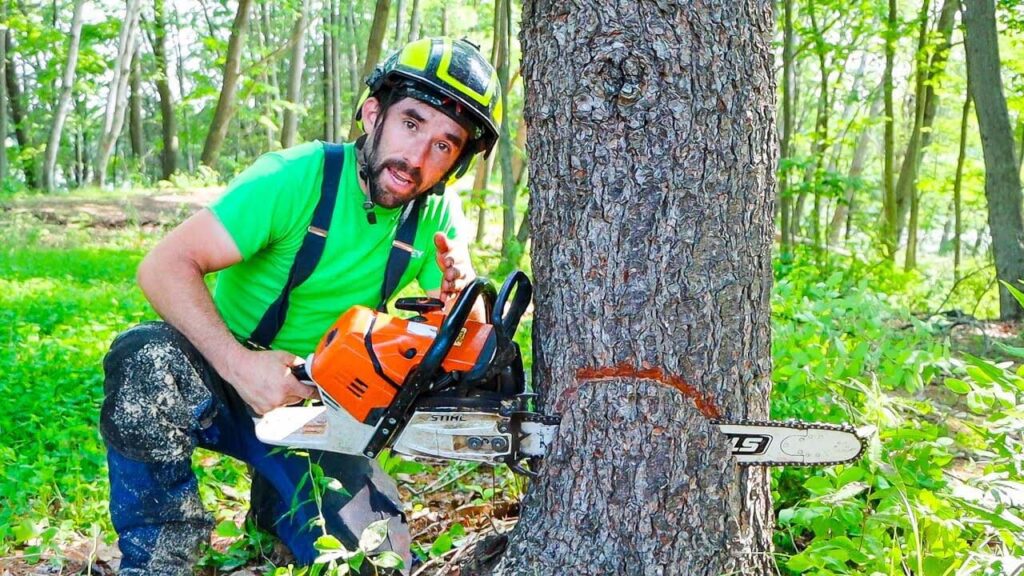
Sustainable Practices in Tree Care
As awareness of environmental issues grows, many homeowners are seeking eco-friendly tree care solutions. Sustainable practices in tree removal and maintenance are becoming increasingly popular, reflecting a broader shift towards environmental stewardship.
Integrating Sustainability into Tree Removal
Arborists are now integrating sustainability into their tree removal projects by assessing factors such as soil quality and local biodiversity. This approach aims to mitigate ecological impacts and ensure that tree removal is conducted responsibly.
Homeowners can also play a role in promoting sustainability by choosing tree care companies that prioritise green practices. A recent survey found that 72% of homeowners prefer using tree care companies that employ eco-friendly methods, indicating a significant shift in consumer preferences.
Technological Advancements
The tree services industry is witnessing significant technological advancements, such as the recent launch of AI-powered tree health monitoring systems by Bartlett Tree Experts. These innovations allow for more accurate assessments of tree health, enabling proactive care and reducing the need for removal.
By leveraging technology, homeowners can gain insights into the condition of their trees, helping them make informed decisions about maintenance and care.
Conclusion
Tree removal is not always the last resort for homeowners; it can be a necessary step in ensuring safety, preventing property damage, and enhancing the aesthetic appeal of a landscape. However, it is essential to consider alternatives such as pruning, cabling, and sustainable practices before making a final decision.
With the tree services market projected to grow significantly in the coming years, driven by urban development and increased demand for tree maintenance, homeowners have access to a wealth of resources and expertise. By prioritising tree health and exploring eco-friendly options, homeowners can contribute to a greener future while enjoying the many benefits that trees provide.
FAQs
Tree removal may be necessary if a tree is diseased, severely damaged, structurally unsafe, or causing property damage such as cracked foundations or disrupted utilities.
Trees weakened by rot, pests, or storm damage pose significant risks of falling, which can endanger people, homes, and nearby structures.
Yes. Tree roots can cause foundation cracks, damage driveways, and interfere with underground utilities, often leading to costly repairs if left unaddressed.
Yes. Alternatives include professional tree pruning, cabling, and bracing to stabilize or improve the tree’s health, often avoiding complete removal.
Pruning removes dead, diseased, or overgrown branches, improving the tree’s structure, health, and safety without cutting it down.
Cabling and bracing involve installing supports to stabilize structurally weak or storm-damaged trees, extending their life and reducing safety risks.
Yes. Many arborists now use sustainable practices that consider soil quality, biodiversity, and recycling of wood, reducing environmental impact.
AI-powered monitoring systems and advanced diagnostic tools help arborists assess tree health more accurately, allowing proactive maintenance and reducing unnecessary removals.
Yes. Tree removal can be dangerous and requires specialized equipment and expertise. Certified arborists ensure the job is done safely and responsibly.
Look for companies that prioritize eco-friendly practices, recycle materials, and follow sustainable methods, aligning with modern environmental standards.