When it comes to maintaining the health and aesthetics of your trees, tree pruning is an essential service. However, many homeowners and property managers often find themselves puzzled by the wide range of quotes they receive from different tree care companies. Understanding the factors that influence tree pruning pricing can help you make informed decisions and ensure that you receive quality service without breaking the bank. This article delves into the various elements that contribute to the differences in quotes for tree pruning services.
The Basics of Tree Pruning Costs
The average cost of professional tree trimming is approximately $460, with prices ranging from $270 to $1,800. This variation largely depends on the quantity and condition of the trees being serviced. Factors such as the size of the trees, their health, and the complexity of the job can significantly impact the final quote.
For instance, a simple pruning job on a small, healthy tree will likely cost less than extensive work on a large, diseased tree that requires careful handling. Additionally, some companies may charge a flat rate for specific services, while others may provide a more detailed breakdown based on the time and resources needed for the job. To make informed decisions, it’s always helpful to compare different options and understand average tree pruning pricing in your area.
Understanding the Factors Influencing Pricing
Several key factors influence the pricing of tree pruning services:
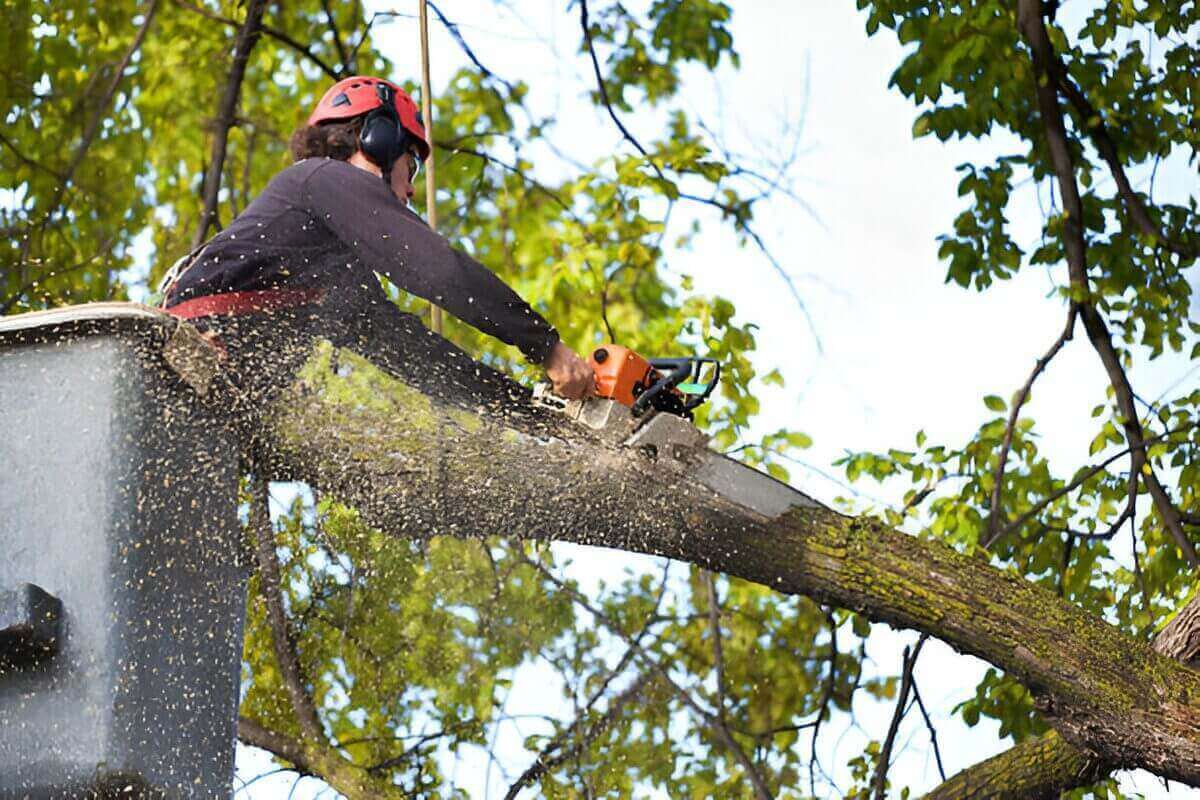
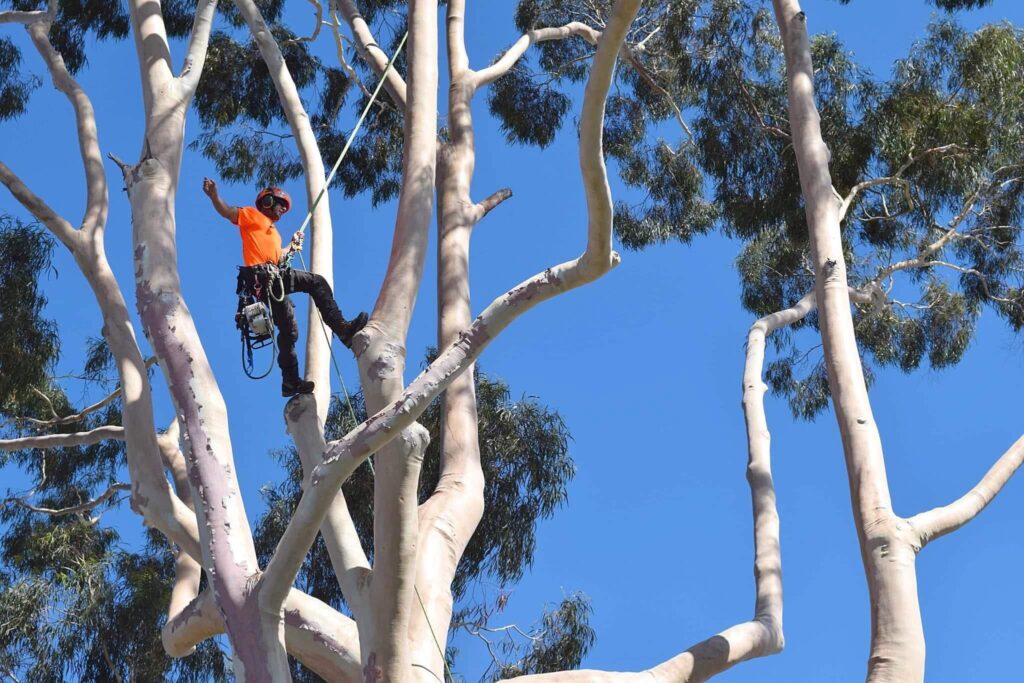
- Tree Size: Larger trees generally require more time and specialised equipment to prune, leading to higher costs.
- Tree Condition: Trees that are diseased or damaged may require more intricate work, which can increase the price.
- Location: The geographical location of the property can also affect pricing, with urban areas typically commanding higher rates due to increased operational costs.
- Company Experience: More experienced companies may charge higher rates, reflecting their expertise and the quality of service they provide.
Market Trends and Their Impact on Pricing
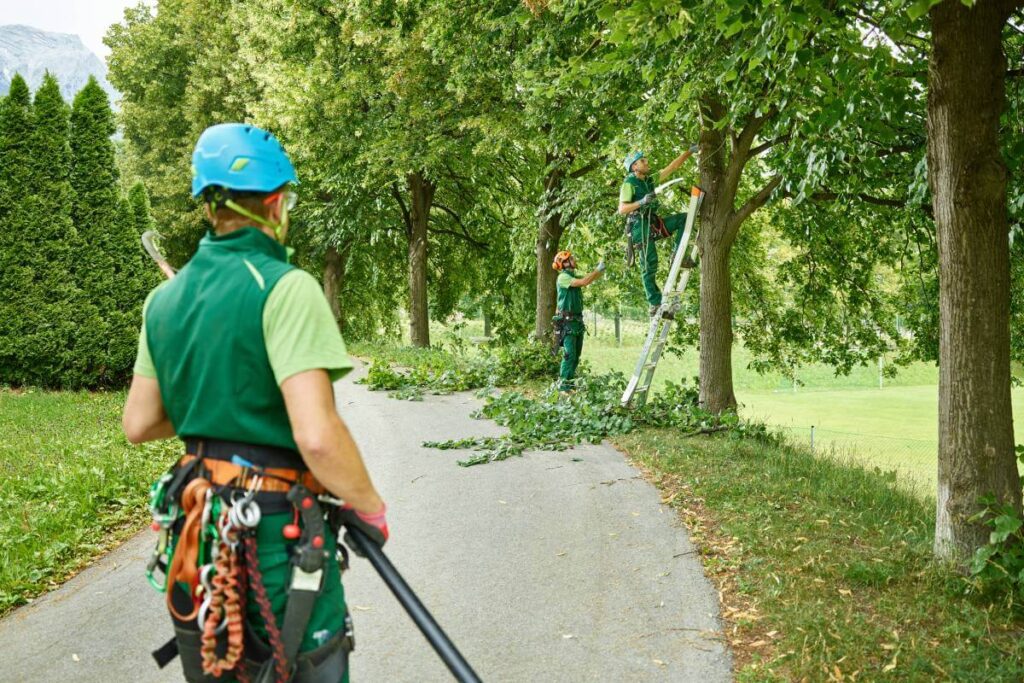
The tree trimming services industry in the U.S. has experienced significant growth, with a compound annual growth rate (CAGR) of 5.8% over the past five years. This growth has led to increased competition among service providers, which can influence pricing structures. As the industry expands, companies are often compelled to differentiate themselves, leading to variations in quotes.
Moreover, the rising costs of specialised arboriculture equipment, which have increased by 14% between 2022 and 2024, pose a challenge for new entrants in the market. These higher costs can lead to increased service prices as companies strive to maintain profitability while investing in necessary tools and technology. You can visit https://antarctica-hasseg.com/tree-removal-is-it-always-the-last-resort-for-homeowners to learn about tree removal.
The Shift Towards Bundled Services
Recent studies indicate that 22% of commercial clients now prefer bundled service packages over à la carte pricing. This shift reflects a growing trend where customers seek comprehensive solutions that provide better value for money. Bundled services often include a combination of tree pruning, disease management, and ongoing maintenance, which can result in cost savings compared to purchasing services individually.
For homeowners, opting for bundled services can simplify the process of tree care and ensure that all aspects of tree health are addressed. However, it is essential to compare the costs of bundled packages with individual service prices to determine the best value.
Labour Costs and Their Role in Pricing
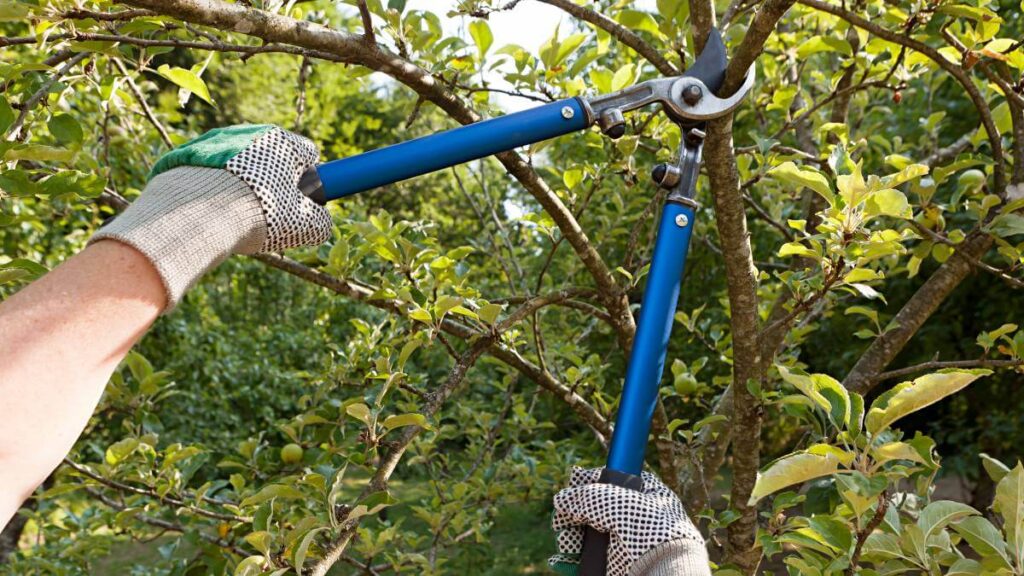
Labour constitutes a significant portion of the operational costs for pruning businesses, accounting for 38-45% of total expenses. The qualifications and experience of the arborists performing the work can also influence pricing. Certified arborists, for example, command salaries that are 28% higher than their non-certified counterparts, particularly in states with strict licensing requirements.
When evaluating quotes, it is crucial to consider the qualifications of the personnel involved. Hiring a certified arborist may incur a higher upfront cost, but their expertise can lead to better outcomes for your trees and potentially lower long-term maintenance costs.
The Commodity Trap in Tree Services
One of the challenges faced by the tree care industry is the so-called “commodity trap.” This phenomenon occurs when customers prioritise price over quality, leading to a race to the bottom among service providers. As a result, companies may lower their prices to remain competitive, which can compromise the quality of service and the health of the trees being pruned.
To avoid falling into this trap, it is essential to focus on the value of the service rather than just the cost. Consider the reputation of the company, the qualifications of their staff, and the quality of their equipment when making your decision. Investing in quality tree care can save you money in the long run by preventing costly damage and ensuring the longevity of your trees.
Technological Advancements in Tree Care
Recent developments in technology have also begun to influence tree pruning services. In 2024, over 900 municipal projects were launched that integrated AI-based disease detection for trees, processing more than 19 million tree health images and flagging over 150,000 trees requiring immediate care. These advancements enable tree care companies to offer more precise and effective services, which can impact pricing.
By utilising technology to assess tree health and determine the necessary pruning techniques, companies can provide more accurate quotes and improve the efficiency of their services. As technology continues to evolve, it is likely that tree care pricing will also adapt to reflect these advancements.
How to Choose the Right Tree Pruning Service
When faced with multiple quotes for tree pruning services, it is essential to evaluate each option carefully. Here are some tips to help you choose the right service:
- Research the Company: Look for reviews and testimonials from previous clients to gauge the quality of service provided.
- Check Qualifications: Ensure that the arborists are certified and have the necessary experience to handle your specific tree care needs.
- Compare Quotes: While price is important, consider the value of the services offered and the reputation of the company.
- Ask Questions: Don’t hesitate to ask the company about their methods, equipment, and any guarantees they offer.
Conclusion
Understanding the factors that influence tree pruning pricing can empower you to make informed decisions when selecting a tree care service. By considering the size and condition of your trees, the qualifications of the arborists, and the impact of market trends, you can navigate the often confusing landscape of tree pruning quotes. Remember, investing in quality tree care not only enhances the beauty of your property but also contributes to the long-term health and vitality of your trees.
FAQs
Tree pruning quotes vary due to factors such as tree size, health, location, complexity of the job, and the level of expertise offered by the company.
On average, tree pruning costs around $460, with prices typically ranging from $270 to $1,800 depending on the scope of work.
Yes. Larger trees require more time, specialized equipment, and skilled labor, which increases the overall cost compared to pruning smaller trees.
Hiring certified arborists may cost more upfront, but their expertise can ensure safer pruning, healthier trees, and potentially lower long-term maintenance expenses.
Urban areas often have higher pruning costs due to increased operational expenses, licensing, and higher labor rates compared to rural areas.
Bundled services combine pruning, maintenance, and disease management. They can provide better value compared to purchasing each service separately.
Labor accounts for 38–45% of pruning costs. Experienced and certified arborists often command higher wages, influencing the final service price.
Yes. AI-based disease detection and advanced equipment are making tree care more precise and efficient, potentially leading to more accurate and competitive pricing.
Not always. The cheapest quote may compromise on quality. It’s better to consider company reputation, arborist qualifications, and service guarantees.
Research multiple companies, compare detailed quotes, check reviews, and ask about qualifications, equipment, and guarantees before deciding.